









|
Getting your Trinity Audio player ready...
|
Choosing silver vs aluminum coating for your LED bathroom mirror affects product quality, customer satisfaction, and your profit. The wrong choice leads to quality problems, customer complaints, and lost money. Knowing the key differences between these two materials helps you make smart buying decisions.
Silver mirrors reflect light better with 95% or higher reflection quality, making them perfect for premium products like lighted makeup mirrors and vanity mirrors with LED lights. Aluminum mirrors reflect about 85-90% of light and cost less, which works well for budget markets. Silver mirrors last longer in bathrooms because they resist moisture better, while aluminum mirrors work fine for decorative uses like framed silver mirrors and wall mirrors with lights. Silver mirrors typically cost 30-50% more than aluminum mirrors, but this higher price matches their better performance and longer life.
Let me explain the detailed comparison to help you pick the right material for your LED mirror business.
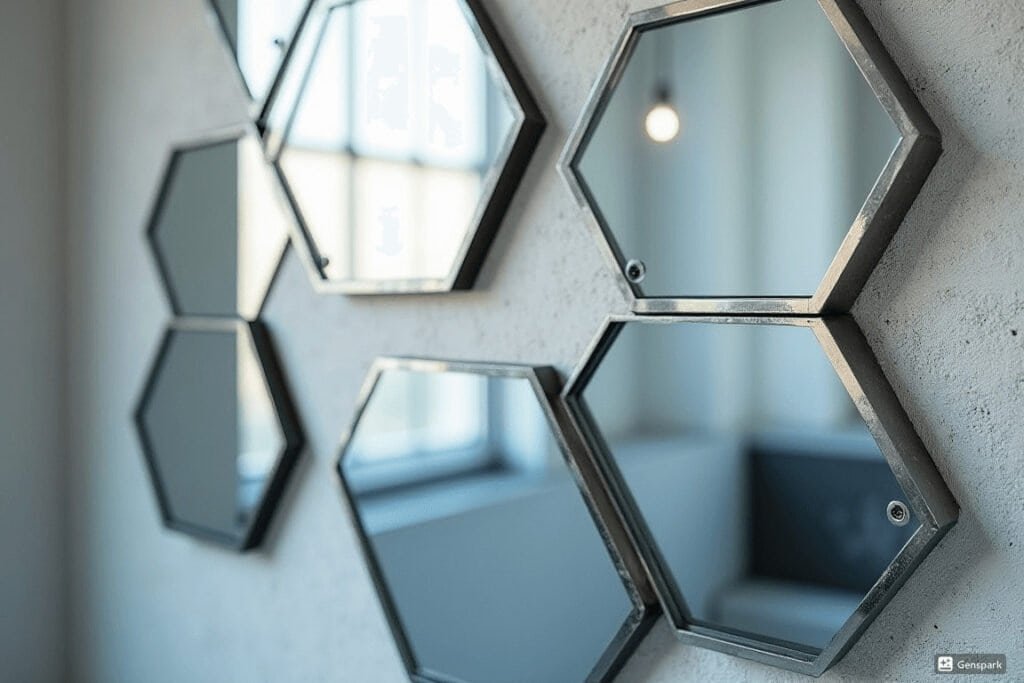
What Is the Difference Between Silver Mirrors and Aluminum Mirrors?
Knowing how silver and aluminum mirrors are made differently helps you understand quality standards and set fair prices. These differences affect how the final product looks and how long it lasts in bathroom settings.
Silver mirrors are made using a wet chemical process that adds layers of materials onto glass. Think of it like painting multiple coats on a wall. First, manufacturers clean the glass completely. Then they spray a silver solution that sticks to the glass, creating a thin silver layer about 0.1 to 0.3 micrometers thick (thinner than a human hair). Next comes a copper layer that protects the silver, followed by protective paint layers. This process takes time but creates a high-quality mirror.
Aluminum mirrors use a different method called vacuum deposition, which works like spray painting in a sealed chamber with no air. Manufacturers place the glass in a vacuum chamber, heat aluminum until it turns into vapor, and let the aluminum vapor settle on the glass surface. This creates a thin aluminum coating. The process is faster and cheaper than making silver mirrors, but the final product has slightly lower reflection quality. Modern LED mirrors often use aluminum coating for bathroom vanity mirrors when buyers want good quality at reasonable prices.
Which Is Better: Aluminum or Silver Mirrors?
The answer depends on what you need the mirror for and who will buy it. Neither material is automatically better than the other in all situations.
Comparison Table: Silver vs Aluminum Mirrors
| Feature | Silver Mirror | Aluminum Mirror |
|---|---|---|
| Reflection Quality | 95-99% (excellent clarity) | 85-90% (good clarity) |
| Moisture Resistance | Excellent for bathrooms | Good but lower than silver |
| Typical Lifespan | 15-20 years | 10-15 years |
| Cost Difference | 30-50% higher price | Base price point |
| Best Applications | High-end bathroom mirrors, makeup mirrors | Budget bathroom mirrors, decorative mirrors |
| Weight | Slightly heavier | Slightly lighter |
Silver mirrors deliver better reflection quality, showing images 5-10% clearer than aluminum mirrors. This matters most for lighted vanity mirrors where people do makeup or shave and need to see fine details. Silver mirrors also resist moisture and chemicals better, making them the top choice for bathroom environments where steam and cleaning products are common. For high-end markets in North America and Europe, customers expect silver mirrors in premium bathroom vanity lights installations.
Aluminum mirrors work well when cost matters more than perfect reflection. They still provide good image quality for most everyday uses like rectangular bathroom mirrors or large silver mirrors in bedrooms. If you sell to budget-conscious buyers or need modern lighted mirrors for bathrooms in apartment buildings, aluminum mirrors deliver acceptable quality at lower prices. The weight difference is minimal, so both types work equally well for wall mounting with standard hardware.
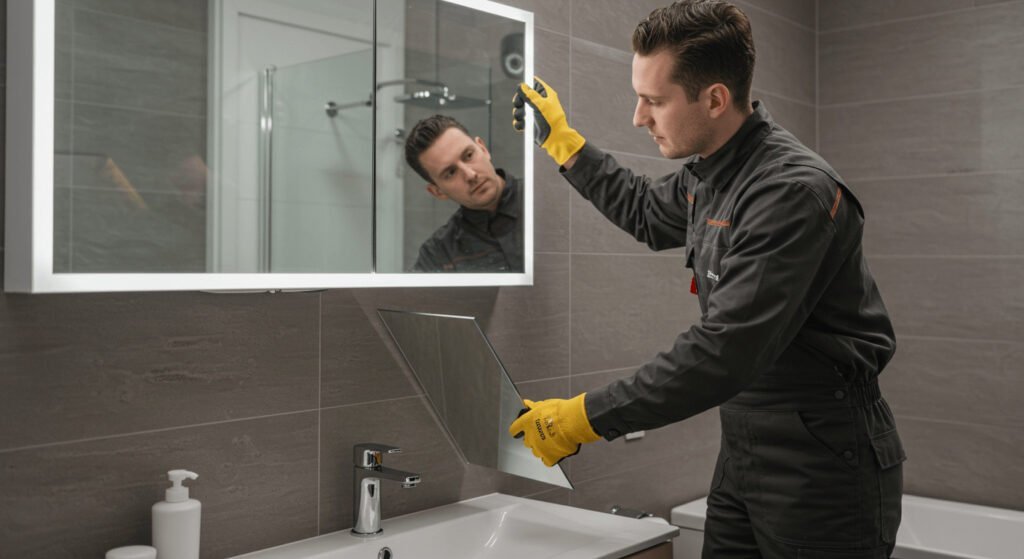
How Much Silver Is Actually in a Mirror?
Understanding silver content helps you judge quality and understand costs when buying silver bathroom mirrors from suppliers.
A standard silver mirror contains about 15 to 20 grams of silver per square meter of glass. To picture this amount, imagine a small silver coin spread evenly across a surface the size of a large dining table. The silver layer measures only 0.1 to 0.3 micrometers thick, which is incredibly thin but still enough to create excellent reflection. This thin layer explains why mirrors are not as expensive as solid silver items, even though silver is a precious metal.
Higher quality mirrors for lighted vanity mirrors for bathroom use slightly more silver, around 20 to 25 grams per square meter. This extra silver improves durability and reflection quality. When silver prices rise in global markets, mirror costs increase accordingly. For example, if silver prices jump by 20%, expect silver mirror costs to rise by 5-10%. Smart importers track silver market prices to time their large purchases. Suppliers with 20 years of experience like established Chinese manufacturers understand these market dynamics and can help you plan orders to get better prices.
Which Is More Expensive: Silver or Aluminum Mirrors?
Price differences between these materials significantly impact your purchasing budget and final profit margins.
Silver mirrors cost 30 to 50% more than aluminum mirrors of the same size. For a standard bathroom mirror measuring 60cm by 80cm, an aluminum version might cost $15 to $20 wholesale, while the silver version costs $20 to $30. This gap comes from three main factors. First, silver as a raw material costs much more than aluminum. Second, the chemical silvering process requires more steps, more time, and more skilled workers than aluminum coating. Third, silver mirrors need better quality control and more careful handling during production and shipping.
The good news is that bulk ordering reduces per-unit costs significantly. Ordering 500 pieces instead of 100 pieces can cut costs by 15-20%. Container-load shipments save even more on freight costs. When sourcing led bathroom mirrors from China, working with experienced exporters helps you structure orders efficiently. They can combine different products like round silver mirrors, mirrors with black frame, and backlit mirrors in one container to maximize savings. Payment terms also matter because longer payment periods sometimes offset higher unit costs, giving you more cash flow flexibility.
How to Check If a Mirror Is Silver or Aluminum?
Knowing how to identify mirror coating types protects you from receiving wrong products and helps during quality inspections.
The easiest method is comparing reflection clarity side by side. Place a silver mirror and aluminum mirror next to each other and look at your reflection in bright light. The silver mirror shows sharper details, better color accuracy, and brighter reflections. Check the mirror edges where you can see the coating layers. Silver mirror edges look slightly gray or dark silver, while aluminum mirror edges appear lighter and more whitish. The tap test works too: gently tap both mirrors with a coin. Silver mirrors produce a slightly deeper, more resonant sound due to the multiple coating layers.
For professional quality control, request laboratory test reports from your supplier showing coating composition and reflection rates measured with specialized equipment. Reputable manufacturers provide these certificates for each production batch. During factory inspections, ask to see the production process. Silver mirror production uses liquid chemical tanks, while aluminum mirror production uses vacuum chambers that look like large sealed boxes. Experienced importers also check the mirror back coating. Silver mirrors typically have red or green protective paint, while aluminum mirrors often have gray or silver paint, though this varies by manufacturer. When sourcing bathroom vanity mirrors or led vanity mirrors, specify your coating requirements clearly in purchase contracts to avoid confusion.
How to Distinguish Between Silver Mirror and Aluminum Mirror?
Learning practical ways to tell these mirrors apart helps you verify product quality during inspections and avoid supplier mistakes.
Start with the image clarity test. Stand about one meter away from each mirror type in good lighting. Silver mirrors show your reflection with noticeably better sharpness, especially for small details like individual hair strands or skin texture. This difference matters most for lighted bathroom mirrors where people need accurate reflections. Color accuracy provides another clue. Hold a white paper next to each mirror and compare the reflected colors. Silver mirrors maintain true white color, while aluminum mirrors may show slight color shifts toward blue or gray tones.
Physical examination reveals more differences. Check the mirror backing carefully. Silver mirrors usually have multiple visible layers when you examine a cut edge under magnification: glass, silver, copper, and protective paint. Aluminum mirrors show fewer layers: glass, aluminum, and protective paint. Weight offers subtle hints but is less reliable because the difference is minimal for same-sized mirrors. The most dependable method combines visual inspection with supplier documentation. Request material certificates, reflection test reports, and moisture resistance test results. Trusted suppliers with established track records provide complete documentation. For large orders of bathroom light mirrors or light up vanity mirrors, consider hiring third-party inspection services that use scientific instruments to verify coating types before shipment.

When Did Mirrors Stop Using Silver?
Understanding mirror history helps you grasp why both materials remain available today and how market preferences evolved.
Mirrors never completely stopped using silver, which surprises many buyers. Silver mirrors dominated from the 1800s until the 1930s when German scientists developed aluminum mirror coating technology. Aluminum mirrors gained popularity quickly during the 1940s and 1950s because they cost less to produce and worked well for everyday needs. However, silver mirrors continued serving premium markets where superior quality mattered. Today, manufacturers produce both types because different customers need different quality levels.
The LED mirror industry demonstrates this dual market perfectly. Budget-friendly led light mirror vanity products often use aluminum coating to keep prices competitive for apartment buildings and economy hotels. Premium brands manufacturing modern bathroom mirrors or designer vanity lights stick with silver coating to deliver the quality their customers expect. Market data shows that silver mirrors account for roughly 60% of high-end bathroom mirror sales but only 30% of overall mirror sales when including all price ranges. Chinese manufacturers with decades of experience produce both types efficiently, giving importers flexibility to target multiple market segments. The key is matching material choice to your target customers and price positioning.
What Should B2B Importers Consider When Sourcing LED Mirrors?
Successful LED mirror importing requires attention to multiple factors beyond just choosing between silver and aluminum coating materials.
Key Sourcing Considerations Table
| Factor | What to Check | Why It Matters |
|---|---|---|
| Certifications | CE, UL, ETL, SAA | Market access and legal compliance |
| Customization | Size, shape, functions | Meeting specific customer needs |
| Quality Control | Pre-shipment inspection | Avoiding defective products |
| Lead Time | Production and shipping schedule | Hitting sales seasons |
| Payment Terms | Deposit and balance structure | Cash flow management |
| Communication | Response time and clarity | Smooth transactions |
Quality certifications top the priority list for importers selling in developed markets. Ensure your supplier provides CE certification for European markets, UL or ETL certification for North America, and SAA certification for Australia. These certificates confirm the electrical components in led mirrors meet safety standards. Request copies before placing orders and verify them with issuing authorities. Experienced manufacturers maintain current certifications and understand different market requirements. Customization capability matters because buyers want specific sizes, shapes, and functions. Look for suppliers offering flexible options for small bathroom mirrors, room mirror ideas execution, and various vanity mirror with led lights configurations.
The inspection process protects your investment. Conduct pre-shipment inspections checking mirror coating quality, LED light functionality, frame integrity for mirrors with black frame, and packaging adequacy. Test defog functions, Bluetooth connections, and other features promised. Logistics planning prevents costly delays. Understand shipping timelines, especially before peak sales seasons. Missing holiday shopping periods or home renovation seasons costs sales opportunities. Choose suppliers with reliable shipping records. Payment terms need careful negotiation. Many Chinese exporters accept 30% deposits with 70% balance before shipment, but established relationships may allow better terms. Finally, communication efficiency makes everything smoother. Work with suppliers who respond quickly, understand technical questions, and provide clear documentation. A supplier with 20 years of experience understands importer needs and anticipates potential issues before they become problems.

Conclusion
Silver mirrors offer superior reflection quality and durability for premium LED bathroom mirrors, while aluminum mirrors provide cost-effective solutions for budget markets. Your choice depends on target customers, price positioning, and application requirements. Partner with experienced manufacturers who understand both materials and can guide you toward the best decision for your specific business needs.
- To learn how to pick the right bathroom mirror click here.
- To learn how to install a mirror choose here.
- To learn how to pick the right size mirror click here.
- To learn how mirrors are made click here.
- Click here and you will learn why we look better in mirrors.
- Click here you will learn about the TOP 10 led mirror manufacturers for 2024.
- Click here to find out Why doesn’t my vanity mirror light come on?
- Find out How Tall Should Bathroom Mirror Be? Click Here
- Click here if you don’t know how to clean your mirror
- To find out how to fix Touch Sensor Mirror Not Working click here
- Find out 10 Common LED Bathroom Mirror Problems Click Here