









|
Mendapatkan anda Trinity Audio pemain siap ...
|
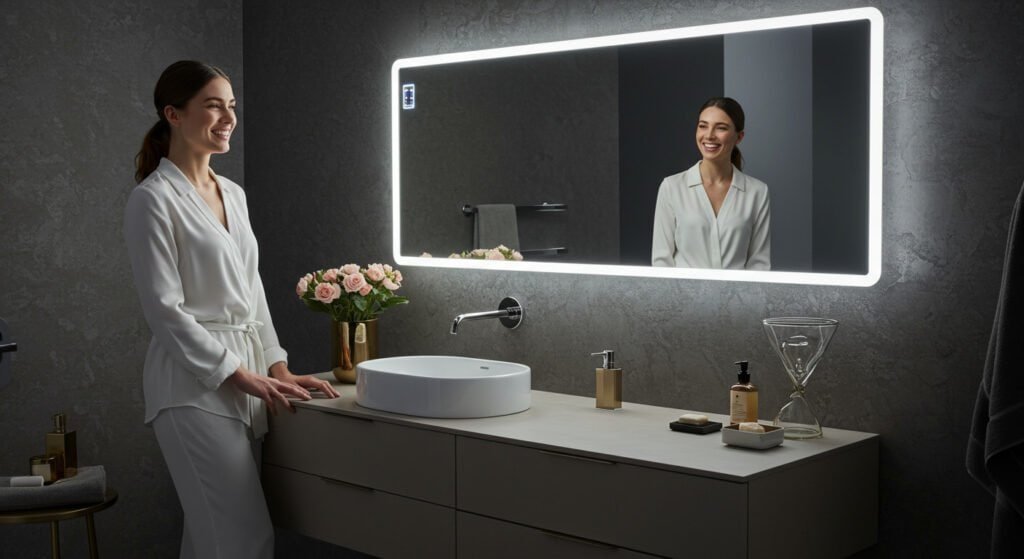
Are mirrors made of silver? You might think that the bathroom mirror you use every morning is made of silver. This common belief actually causes a lot of confusion when people shop for mirrors. The reality is quite different from what most people expect, and knowing the truth can help you make better choices when buying mirrors like led bathroom mirrors or lighted vanity mirrors for bathroom.
Most modern mirrors are not made of silver anymore. While silver mirrors were the standard choice for hundreds of years, today’s mirrors typically use aluminum as the reflective material instead. Walau bagaimanapun, silver mirrors are still made for special purposes, especially for high-quality products like lighted bathroom mirrors and decorative pieces such as framed silver mirrors or large silver mirrors. Understanding the difference between silver and aluminum affects how well your mirror reflects, how long it lasts, and how much you pay, whether you need a bathroom vanity mirror or a round silver mirror for decoration.
Let’s look at the materials used in mirrors, how they changed over time, and what you should consider when choosing mirrors for your home or business.
What Is a Silver Mirror?
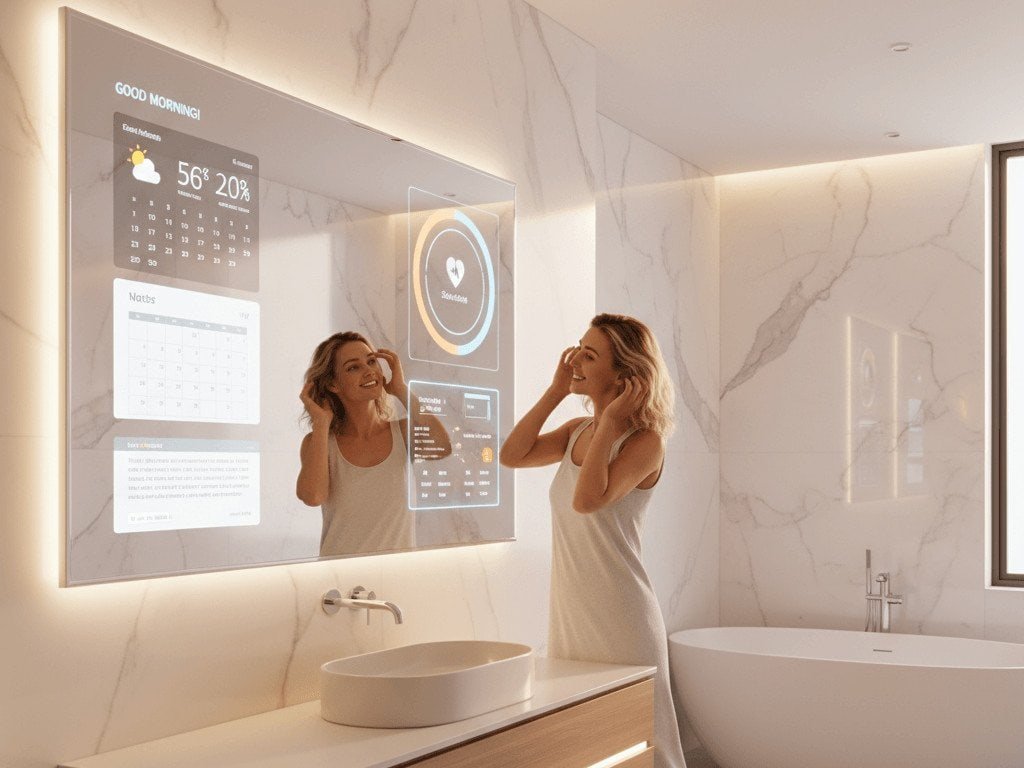
A silver mirror is simply a glass mirror with a shiny coating made from real silver metal applied to the back of the glass. This silver layer creates the reflection that lets you see yourself clearly when you stand in front of a silver bathroom mirror or silver wall mirror.
Making a silver mirror involves coating glass with a thin layer of silver through a chemical process, then adding protective layers of copper and paint on top. This creates an extremely reflective surface that bounces back about 95 ke 99 percent of the light that hits it, which means silver mirrors give you a clearer, brighter reflection than most other mirror types.
The process of making a silver mirror takes several careful steps to ensure the coating spreads evenly across the entire glass surface. Workers first clean the glass thoroughly to remove anything that might stop the silver from sticking properly. Then they apply a special silver solution that transforms into pure silver metal on the glass. After the silver layer forms, they add a copper coating to protect the silver from reacting with air, followed by paint layers that seal everything in place.
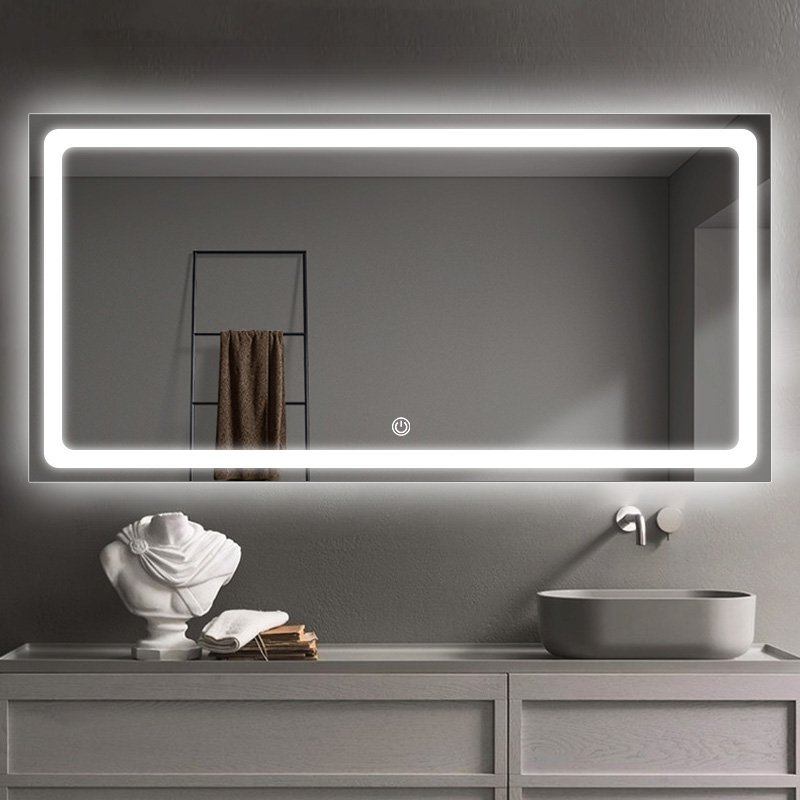
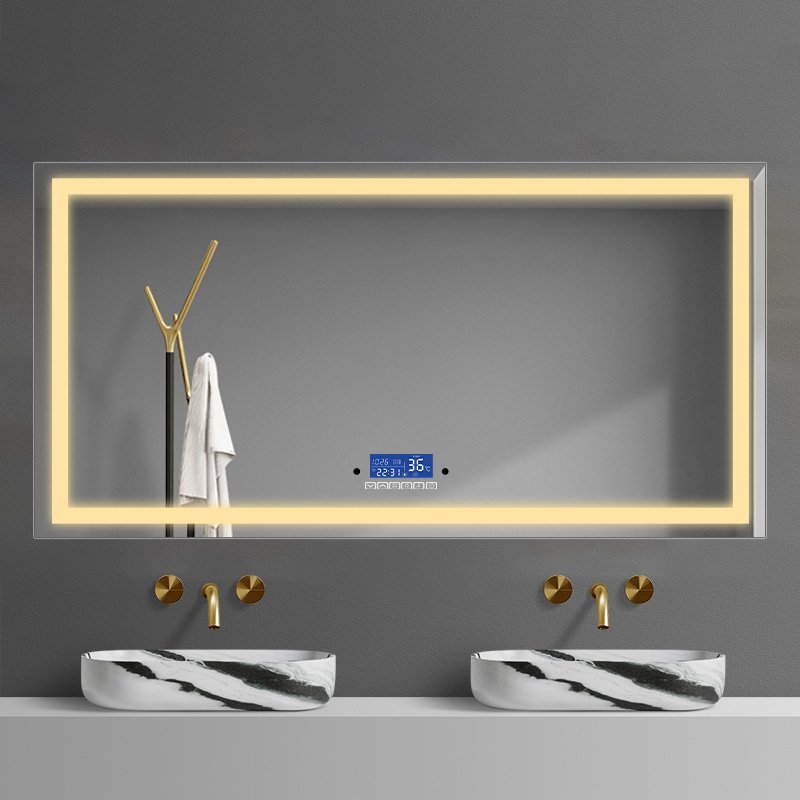
This layered construction makes silver mirrors especially good for situations where you need perfect clarity, such as lighted makeup mirrors or bathroom light mirrors where seeing true colors matters. The silver coating reflects all colors of light equally, which means the light from vanity lights or an led mirror shows colors accurately without changing them. This quality makes silver mirrors the preferred choice for makeup application and grooming tasks where color precision is essential.
When Did They Stop Making Silver Mirrors?
This question contains a common misconception that needs correction. Manufacturers never actually stopped making silver mirrors. Instead, aluminum mirrors gradually became more popular starting in the 1930s, but silver mirrors continued being produced for specific uses where their superior qualities matter most.
The shift toward aluminum began when scientists developed vacuum deposition technology in the early twentieth century. This new method allowed factories to produce aluminum mirrors faster and cheaper than traditional silver mirrors. By the 1940s and 1950s, aluminum mirrors had become the standard choice for most household applications because they offered good reflection quality at lower prices. The cost difference was significant enough that aluminum quickly dominated the mass market for items like bathroom vanity mirrors and decorative mirrors.
Walau bagaimanapun, silver mirrors never disappeared from production. They remained the preferred choice for applications requiring maximum reflectivity and color accuracy. Hari ini, manufacturers still produce silver mirrors for premium products such as lighted vanity mirrors for bathroom, high-end led bathroom mirrors, and professional-grade makeup mirrors. The optical industry also continues using silver mirrors because their superior reflectivity makes them essential for telescopes, microscopes, and other precision instruments. When you shop for luxury bathroom fixtures or professional lighting equipment, you will often find silver mirrors featured as a premium option alongside standard aluminum versions.
What Materials Are Actually Used in Modern Mirrors?
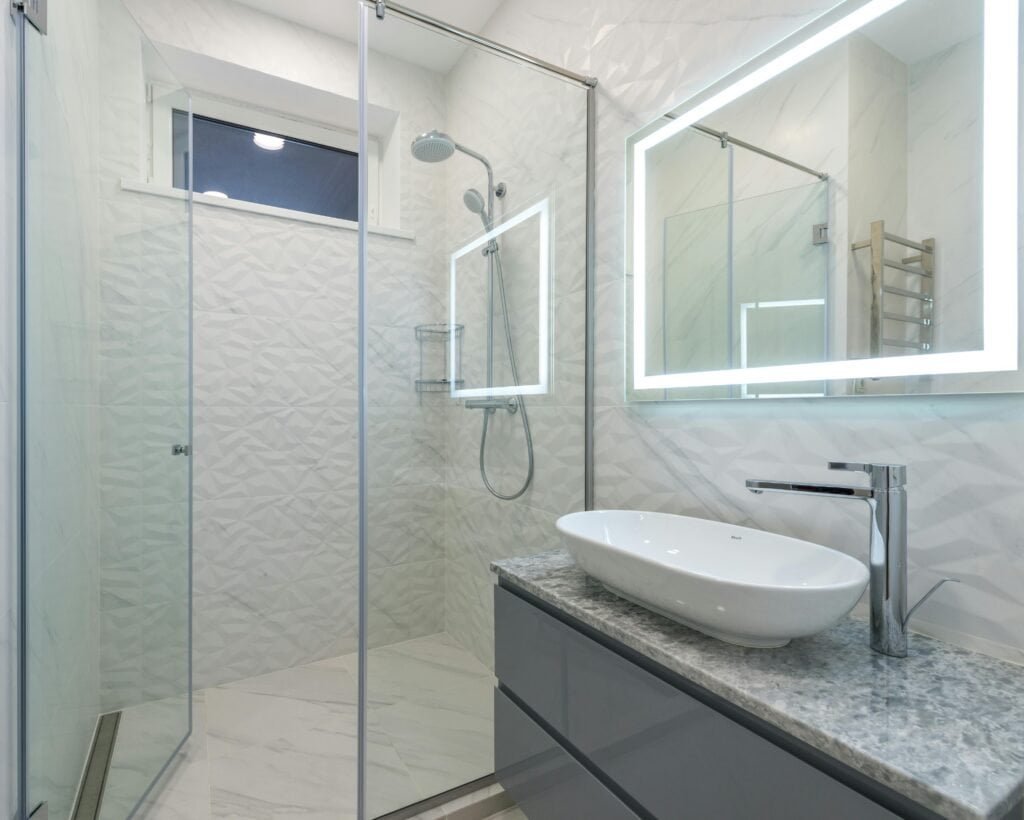
Modern mirrors use two main reflective materials: aluminum and silver. While both create reflective surfaces, they work differently and suit different purposes. Understanding these materials helps you choose the right mirror type for your needs.
Aluminum mirrors dominate the market today because they cost less to produce and last longer than silver mirrors. Manufacturers create aluminum mirrors by placing glass in a vacuum chamber and vaporizing aluminum metal, which then condenses on the glass surface as a thin, uniform coating. This process, called vacuum deposition, produces consistent results and works efficiently for mass production. Most bathroom mirrors, Cermin Vanity, and rectangular bathroom mirrors you find in stores today use aluminum backing. The aluminum coating typically reflects about 90 ke 95 percent of light, which provides excellent reflection quality for everyday use at a reasonable price point.
Silver mirrors use a different production method called wet silvering, where chemical solutions deposit silver onto the glass surface. This traditional technique requires more time and careful handling, which increases production costs. Walau bagaimanapun, the results justify the extra expense for certain applications. Silver mirrors reflect 95 ke 99 percent of light and provide superior color accuracy, making them ideal for applications where reflection quality cannot be compromised. You will commonly find silver backing in high-end products like led vanity mirrors, cermin backlit, and premium wall mirrors with lights.
The table below compares the key characteristics of these two mirror types:
| Feature | Aluminum Mirrors | Silver Mirrors |
|---|---|---|
| Reflectivity | 90-95% | 95-99% |
| Cost | Lower (budget-friendly) | Higher (premium pricing) |
| Durability | Excellent (resists oxidation) | Good (requires protection) |
| Color Accuracy | Very good | Exceptional |
| Aplikasi biasa | Standard bathroom mirrors, decorative mirrors | High-end vanity mirrors, optical instruments |
| Production Method | Vacuum deposition | Chemical silvering |
Both materials serve important roles in the mirror industry. Aluminum mirrors provide excellent value for general purposes like modern bathroom mirrors or small bathroom mirrors, while silver mirrors deliver premium performance for situations requiring the best possible reflection quality.
How Do Silver Mirrors Differ from Aluminum Mirrors?
The differences between silver vs aluminum mirrors affect your daily experience more than you might realize. Let’s examine the key distinctions that matter when you choose between these options.
Reflection quality represents the most noticeable difference. Silver mirrors reflect about 95 ke 99 percent of light, while aluminum mirrors reflect 90 ke 95 percent. This five to ten percent difference might sound small, but it creates a visible impact, especially in lighting conditions where every bit of brightness counts. When you use a lighted vanity mirror or light up vanity mirror with silver backing, the reflected image appears noticeably brighter and sharper. This enhanced clarity makes silver mirrors particularly valuable for tasks requiring precision, such as applying makeup or detailed grooming.
Durability favors aluminum mirrors in most environments. Aluminum naturally resists oxidation and corrosion better than silver, which means aluminum mirrors maintain their reflective quality longer when exposed to moisture and humidity. This durability advantage makes aluminum the logical choice for standard bathroom mirrors and modern lighted mirrors for bathrooms where steam and water vapor are constant concerns. Silver mirrors can develop dark spots or tarnishing over time if moisture penetrates the protective backing layers, especially in poorly ventilated bathrooms.
Price differences reflect the production costs and material values. Silver mirrors typically cost 30 ke 50 percent more than comparable aluminum mirrors due to the higher cost of silver metal and the more complex manufacturing process. Contohnya, a basic aluminum-backed led mirror might retail for 150 dollars, while an equivalent silver-backed version could cost 200 ke 225 dollars. This price gap explains why aluminum dominates the mass market for products like bathroom mirror options and vanity mirror with led lights, while silver remains reserved for premium offerings.
Color accuracy gives silver mirrors another advantage. Silver reflects all wavelengths of visible light almost equally, which means the colors you see in a silver mirror match reality more precisely. This neutral reflectance makes silver mirrors essential for situations where color judgment matters, such as matching foundation shades or coordinating clothing colors. Aluminum mirrors can introduce a slight cool tone to reflections, though this difference is minimal and typically unnoticeable in everyday use.

Are Modern Mirrors Silver-Backed?
The majority of modern mirrors use aluminum backing rather than silver. If you walk into any home improvement store and examine the bathroom vanity mirrors, rectangular bathroom mirrors, or mirrors with black frame on display, most will have aluminum coatings. This prevalence of aluminum reflects both economic realities and performance requirements for typical household applications.
Walau bagaimanapun, silver-backed mirrors definitely exist in the modern market, occupying specific niches where their premium qualities justify the higher cost. You will find silver mirrors in several categories of contemporary products. High-end lighted bathroom mirrors often feature silver backing to maximize the effectiveness of integrated lighting systems. Premium led vanity mirrors and backlit mirrors frequently use silver to ensure the LED illumination creates the brightest, most color-accurate reflection possible. Decorative mirrors marketed as luxury items, such as ornate framed silver mirrors or designer large silver mirrors, may also incorporate silver backing as a selling point that distinguishes them from standard offerings.
The optical and scientific instrument industries continue relying heavily on silver mirrors because applications like telescopes and laser systems require maximum reflectivity. These specialized uses consume a significant portion of silver mirror production even though they represent a small fraction of the overall mirror market.
When shopping for mirrors, you should assume aluminum backing unless the product specifically advertises silver construction. Retailers and manufacturers know that silver backing adds value, so they will prominently mention it in product descriptions and marketing materials when present. If a bathroom light mirror or vanity lights fixture does not explicitly state silver backing, it almost certainly uses aluminum.
How to Tell If a Mirror Is Silver or Aluminum?
Identifying whether your mirror uses silver or aluminum backing can be challenging since both materials create similar reflective surfaces. Walau bagaimanapun, several practical methods can help you determine which type you own.
The edge inspection method provides the most reliable identification approach. Carefully examine the edge of your mirror where the glass meets the backing. Silver mirrors typically show a bright, metallic silver color at the edges, while aluminum mirrors display a duller, grayish tone. You may need good lighting and close inspection to spot this difference, but it remains the most accurate visual identification technique for items like glass mirrors and bathroom mirrors.
Reflection quality offers another clue, though this method requires comparison. If you can place your mirror next to a known silver or aluminum mirror, compare how brightly they reflect the same light source. Silver mirrors will appear slightly brighter and crisper. This comparison works particularly well with lighted vanity mirrors or led light mirror vanity setups where consistent illumination allows direct comparison.
Purchase price and age provide helpful context clues. If you paid premium prices for your mirror, particularly for products marketed as luxury or professional-grade such as high-end led bathroom mirrors or designer wall mirrors with lights, silver backing becomes more likely. Similarly, very old mirrors dating before 1950 almost certainly use silver since aluminum mirrors were not common until mid-century. Newer budget-friendly mirrors almost always use aluminum.
Product documentation sometimes specifies the backing material. Check any paperwork, packaging, or manufacturer websites associated with your mirror. Companies that use silver backing typically advertise this feature because it justifies higher prices and appeals to customers seeking quality. If documentation mentions premium construction or superior reflectivity without specifying materials, aluminum is most likely.
The manufacturer test provides another option, though it requires caution. On a small inconspicuous area at the mirror’s edge or back corner, you could carefully scratch through the protective paint layers to expose the metal backing. Silver appears bright and metallic, while aluminum looks duller and grayer. Walau bagaimanapun, this destructive testing damages the mirror’s protective coating, so only use this method if other identification techniques fail and knowing the material type matters significantly.
Which Type of Mirror Is Better for Bathrooms?
Choosing between silver and aluminum mirrors for bathroom applications requires balancing performance needs against practical considerations like budget and environment. Both materials work well in bathrooms, but they excel in different scenarios.
For most bathrooms, aluminum mirrors provide the best overall value. Their superior resistance to moisture and humidity makes them more durable in steamy bathroom environments where water vapor constantly challenges mirror longevity. Standard aluminum-backed bathroom mirrors, modern bathroom mirrors, and bathroom vanity lights fixtures deliver excellent reflection quality that satisfies typical household needs while remaining affordable. The slight disadvantage in maximum reflectivity compared to silver rarely matters for everyday activities like brushing teeth or basic grooming.
Walau bagaimanapun, silver mirrors make sense for bathrooms where lighting quality and reflection precision are priorities. If you perform detailed makeup application, precise grooming, or other tasks requiring color accuracy, the enhanced reflectivity of silver mirrors justifies the additional cost. Bathrooms with led mirrors, Cermin Vanity Lighted, or backlit mirror installations particularly benefit from silver backing because the superior reflectivity maximizes the effectiveness of the integrated lighting system. The combination of quality LED illumination and silver backing creates optimal conditions for tasks requiring visual precision.
Consider your specific bathroom conditions when making this decision. Well-ventilated bathrooms with good exhaust fans create less demanding environments where silver mirrors can thrive without rapid deterioration. Poorly ventilated bathrooms with frequent steam buildup favor aluminum mirrors that better withstand constant moisture exposure. The investment in ventilation improvements might make sense if you want silver mirror performance in a challenging environment.
Budget naturally influences this choice significantly. If you are furnishing multiple bathrooms or working within strict cost constraints, aluminum mirrors offer excellent performance at accessible prices. Reserve silver mirrors for the primary bathroom or vanity areas where you spend the most time and where superior reflection quality adds meaningful value to your daily routine.
The following table summarizes bathroom mirror selection factors:
| Factor | Choose Aluminum | Choose Silver |
|---|---|---|
| Budget | Limited budget, multiple bathrooms | Higher budget, single premium bathroom |
| Primary Use | Basic grooming, general household | Detailed makeup, precision grooming |
| Ventilation | Poor ventilation, high humidity | Good ventilation, controlled humidity |
| Pencahayaan | Standard lighting | Led mirrors, lighted vanity systems |
| Longevity Priority | Maximum durability needed | Willing to maintain properly |
How to Break a Mirror to Throw Away?
Disposing of old or damaged mirrors safely requires careful planning and proper technique to prevent injuries from broken glass. Whether you need to discard a broken bathroom mirror, outdated small bathroom mirror, or any other glass mirror, following safety protocols protects you and others handling the waste.
Begin preparation by gathering essential safety equipment before touching the mirror. You absolutely must wear heavy-duty work gloves that cover your wrists, safety goggles or glasses to protect your eyes from flying glass particles, and long-sleeved clothing plus long pants to shield your skin. Closed-toe shoes with thick soles provide necessary foot protection. Never attempt mirror disposal without this complete safety gear regardless of how careful you think you will be.
The breaking process should happen in a controlled manner that minimizes glass scatter. Place the mirror flat inside a sturdy cardboard box that is slightly larger than the mirror, or wrap it completely in several layers of old sheets or thick blankets. Apply wide strips of heavy-duty packing tape across the mirror surface in a grid pattern, which holds glass fragments together when the mirror breaks. Use a hammer or similar blunt tool to strike the center of the taped mirror firmly, breaking it into manageable pieces while the tape and wrapping contain the fragments.
Alternative methods include scoring the mirror with a glass cutter before breaking it, which creates more controlled fracture lines. Some people prefer wrapping mirrors in newspaper inside cardboard boxes, then using their body weight to press down and break the glass gradually. Choose whichever method feels most comfortable while maintaining safety as the top priority.
After breaking the mirror, carefully collect all fragments and place them in a puncture-resistant container. A sturdy cardboard box with all seams reinforced by tape works well, or you can use specialized glass disposal bags if available. Mark the container clearly with warnings like “BROKEN GLASS – HANDLE WITH CARE” using permanent marker on multiple sides. This labeling alerts anyone handling the waste to exercise appropriate caution.
Check your local waste disposal regulations before placing broken mirrors in trash bins. Many jurisdictions require special handling for glass waste or designate specific collection days for bulky items. Some areas offer recycling programs for glass mirrors, though not all programs accept mirrors due to the backing materials. Contact your municipal waste management department or visit their website for specific guidance about disposal requirements in your area.
Consider alternatives to disposal when possible. Undamaged mirrors, even outdated styles like older rectangular bathroom mirrors or simple vanity mirrors, might benefit charitable organizations, thrift stores, or individuals seeking affordable home furnishings. Online platforms and community groups often connect people giving away usable items with those who need them.
Kesimpulan
Understanding mirror materials empowers you to make informed purchasing decisions. While most modern mirrors use aluminum backing for its durability and value, silver mirrors remain available for applications requiring superior reflection quality, making the choice dependent on your specific needs and budget.
- Untuk mengetahui cara memilih cermin bilik mandi yang betul klik di sini.
- Untuk mengetahui cara memasang cermin pilih di sini.
- Untuk mengetahui cara memilih cermin saiz yang betul klik di sini.
- Untuk mengetahui bagaimana cermin dibuat klik di sini.
- Klik di sini dan anda akan mengetahui mengapa kami kelihatan lebih baik dalam cermin.
- Klik di sini anda akan mengetahui mengenai bahagian atas 10 pengeluar cermin LED untuk 2024.
- Klik di sini untuk mengetahui mengapa lampu cermin sia -sia saya tidak menyala?
- Ketahui berapa tinggi cermin bilik mandi? Klik di sini
- Klik di sini jika anda tidak tahu cara membersihkan cermin anda
- Untuk mengetahui cara membetulkan cermin sensor sentuh tidak berfungsi klik di sini
- Cari tahu 10 Masalah cermin bilik mandi LED biasa klik di sini