









|
Getting your Trinity Audio player ready...
|
Many distributors struggle to explain how mirrors actually work with light (mirrors and light) when customers ask technical questions. This creates confusion about why some LED bathroom mirrors cost more than others and what makes a quality product. Understanding the basics of mirror-light interaction helps you answer customer questions confidently and sell premium products more effectively.
Mirrors work by bouncing light back at you. When light hits a glass mirror, about 95 to 99 percent of it reflects straight back, depending on what coating the manufacturer used on the back of the glass. This reflection quality makes a huge difference in how well lighted vanity mirrors and bathroom vanity mirrors perform for daily grooming tasks.
This guide answers the most common questions about mirrors and light in straightforward terms that you can use when talking with customers.
What Do Mirrors Do with Light?
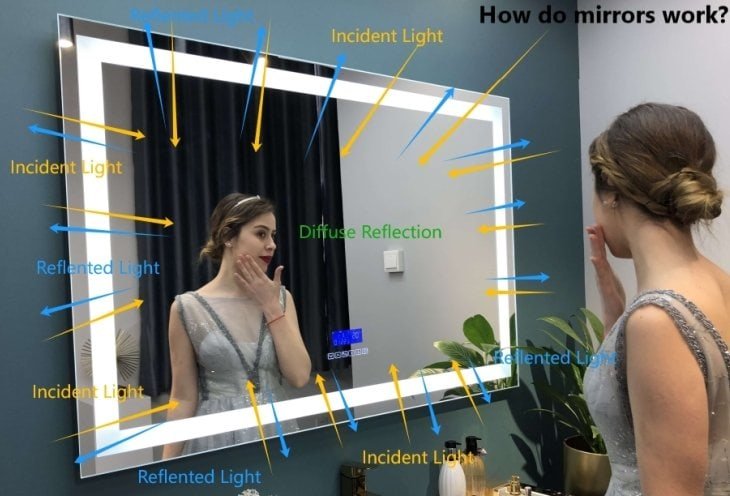
Mirrors take light from one place and redirect it to another location, working like a light delivery system.
Quality mirrors bounce back 95 to 99 percent of the light that hits them. The rest gets absorbed by the glass or coating. This high bounce-back rate turns mirrors into useful tools for spreading light around a room, not just showing reflections.
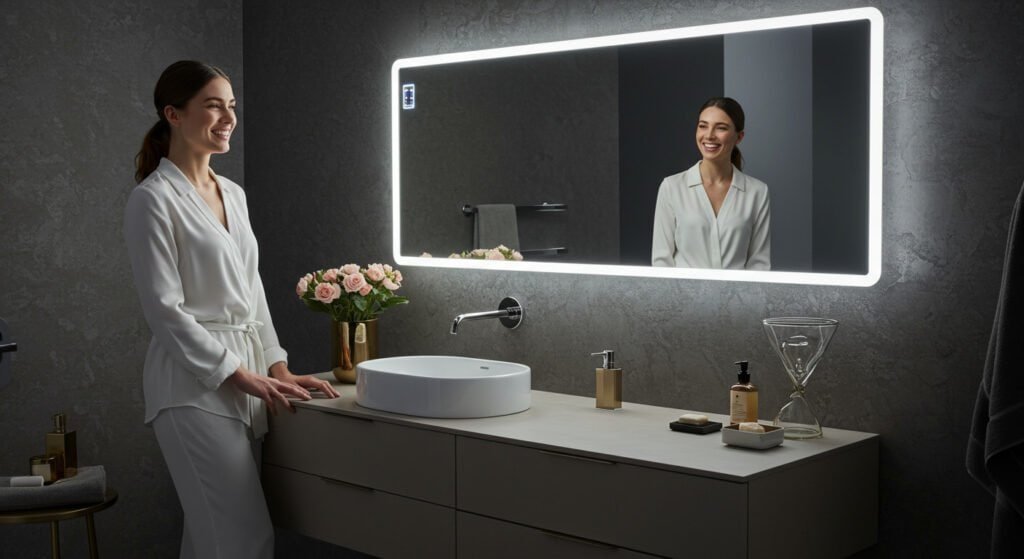
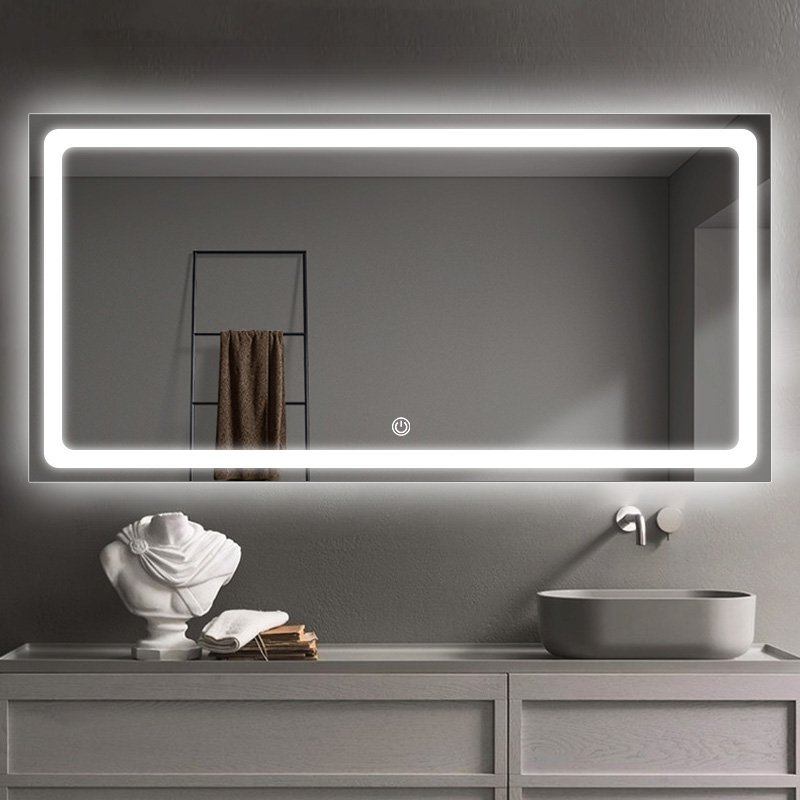
Consider how a bathroom vanity mirror works in real life. The vanity lights or bathroom vanity lights shine toward the mirror, and the mirror bounces that light back onto your face. Without the mirror redirecting the light, you would be standing in your own shadow. This becomes even more important with LED bathroom mirror installations and modern lighted mirrors for bathrooms where even light distribution prevents harsh shadows during grooming. The difference between an expensive backlit mirror and a basic bathroom mirror shows up clearly in how each one handles light.
A premium lighted vanity mirror spreads LED light smoothly and evenly, while a lower-quality mirror might create bright spots or dim areas. For buyers choosing between options, this matters because customers will notice uneven lighting immediately when they use the product. Mirrors with black frame designs need especially good reflective coatings because the dark frame absorbs some light that could otherwise bounce around the room. The same applies to rectangular bathroom mirrors with integrated lighting where the frame design affects overall brightness. When you compare products, ask suppliers about their reflectivity rates and look for numbers above 95 percent for commercial-grade installations.
| Mirror Type | Light Bounce-Back Rate | Works Best For | Handles Bathroom Moisture |
|---|---|---|---|
| Silver Mirror (High Quality) | 97-99% | LED bathroom mirror, vanity mirror with LED lights | Excellent when sealed properly |
| Aluminum Mirror (Standard) | 88-92% | Basic bathroom mirror, daily mirror | Good |
| Smart Mirror (Partial Coating) | 50-70% | LED mirror with hidden screens | Excellent |
| Magnifying Mirror (Curved) | 85-95% | Lighted makeup mirror, close-up work | Depends on coating quality |
What Happens When Light Touches a Mirror?
When light hits a mirror, it bounces off the reflective coating on the back of the glass almost instantly.
Light touching a mirror reflects like a ball bouncing off a wall. The smooth surface sends light rays back at the same angle they came in. Most mirrors use either aluminum or silver coating on the back to create this bounce-back effect, and each material works slightly differently.
Think of it this way: when you shine a flashlight at a mirror, the light does not go through the glass and disappear. Instead, the metal coating on the back acts like a catcher’s mitt, sending the light right back to you. Silver mirrors typically reflect more light than aluminum ones, which matters when you are selling LED mirror makeup products where customers need accurate colors for applying cosmetics.
The silver coating stays brighter longer and resists damage from bathroom moisture better than cheaper alternatives. This explains why professional makeup artists prefer lighted makeup mirrors with silver backing, and why contractors choose these for high-end bathroom projects. When you source bathroom light mirror products, the backing material determines how long the mirror will look good and how well it works with the built-in vanity lights. A quality silver mirror maintains consistent brightness across the entire surface, while a cheaper mirror might develop dark spots or cloudy areas over time, especially in humid bathroom environments.

What Will Happen When Light Falls on a Mirror?
What happens when light falls on a mirror depends on whether the mirror surface is flat or curved and how smooth the glass is.
Light hitting a flat mirror bounces straight back at the same angle it arrived. Curved mirrors like the magnifying kind bend the light path, either bringing light rays together at one point or spreading them apart. The smoother the mirror surface, the cleaner and sharper your reflection looks.
This technical detail directly affects how your light up vanity mirror and wall mirror with lights products perform for end users. Imagine throwing a tennis ball at a perfectly smooth wall versus throwing it at a bumpy concrete surface. The smooth wall sends the ball back in a predictable direction, but the bumpy wall scatters it randomly. Mirror surfaces work the same way with light.
Even tiny imperfections in the glass or coating cause light to scatter, making reflections look fuzzy or distorted. This becomes critical for LED mirror makeup applications where customers need to see fine details clearly. A concave mirror section in a lighted makeup mirror curves inward like a bowl, which concentrates light and makes your reflection look bigger. This helps people see details when applying makeup or shaving.
Quality control during manufacturing ensures each modern bathroom mirror maintains the right surface smoothness for clear reflections. Larger products like LED mirror full length or light up mirror full body installations show surface problems more obviously because any flaw gets multiplied across the bigger area. When you evaluate suppliers, ask about their quality testing procedures for surface smoothness and optical clarity. Reliable manufacturers check every mirror for distortions before shipping, which protects your reputation when selling to contractors and designers who demand consistent quality.
What Happens If Lightning Strikes a Mirror?
Lightning does not behave differently around mirrors than around any other object in a building.
Lightning will not target or avoid mirrors specifically because mirrors reflect light but have no special effect on electricity. If lightning struck a building with a bathroom mirror or LED mirror inside, the electrical current would travel through the building’s wiring and metal structures, not through the mirror glass or coating.
Customers sometimes worry about this when installing LED bathroom mirrors because they see electricity and reflective surfaces combined. Your knowledge of the facts helps put these concerns to rest. The real electrical safety issues with modern lighted mirrors for bathrooms involve proper installation and using products with appropriate safety certifications, not the mirror itself reflecting something dangerous.
LED vanity mirror products and lighted vanity mirrors for bathroom spaces need correct wiring that follows local building codes, usually including special outlets designed for wet locations. The mirror’s reflective surface, whether silver mirror or aluminum-based, does not increase any electrical risk. What actually matters for safety is choosing LED bathroom mirrors with proper waterproof ratings for the electrical components and making sure the vanity lights connect to properly grounded circuits.
When discussing modern bathroom mirror options with buyers, emphasize that reputable manufacturers build their products with complete electrical safety features. These include waterproof seals around where wires enter the mirror, low-voltage LED systems that reduce shock risk, and proper grounding for all electrical parts. These specifications matter far more than any concern about mirrors and lightning. Quality certifications like UL listing or CE marking show that a manufacturer tested the product properly, which should be your main focus when evaluating LED light mirror vanity products for your inventory.
What Happens When Light Reaches a One-Way Mirror?
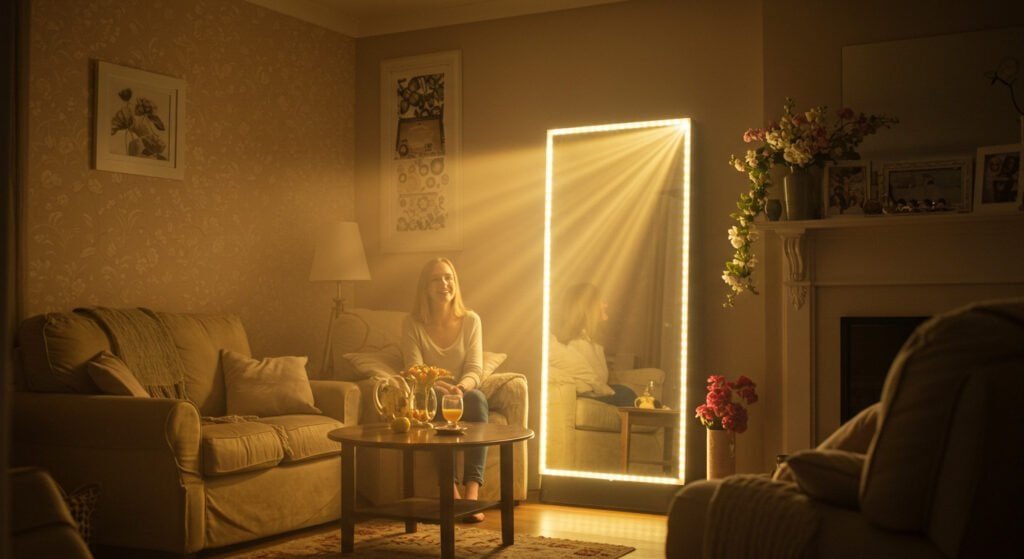
One-way mirrors do something special by both reflecting light back and letting some light pass through at the same time.
When light hits a one-way mirror, roughly half reflects back while the other half goes through the glass. This happens because these mirrors use a thinner metal coating than regular silver mirrors. Whether you see through the mirror or see a reflection depends on which side has brighter lighting.
You have probably seen this effect in police shows where interrogators watch suspects through a mirror. The interrogation room has bright lights while the observation room stays dark, making the mirror look like a regular mirror from the bright side but like a window from the dark side. This same technology now appears in modern smart mirrors for bathrooms.
Premium LED mirror products use one-way mirror technology to hide electronic components behind the reflective surface. When the hidden screen is off, your lighted vanity mirror for bathroom looks and works like a normal mirror. Turn the screen on, and you can see time, weather, or news displayed right on the mirror surface while still seeing your reflection. This creates LED light mirror vanity products that serve multiple purposes without looking cluttered.
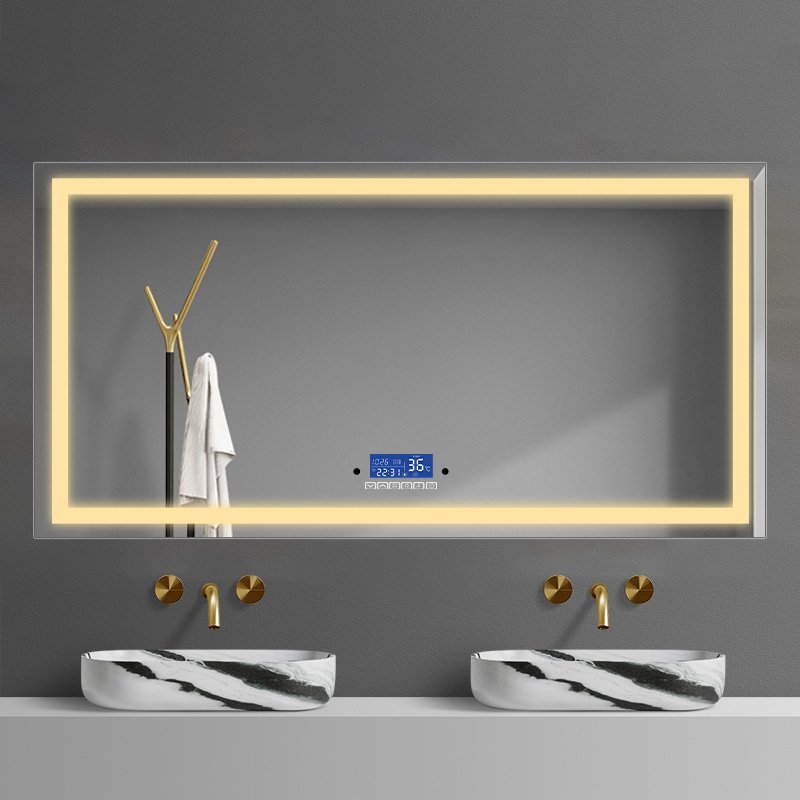
For buyers sourcing upscale bathroom vanity mirrors, this technology opens opportunities to sell higher-margin products with features customers find genuinely useful. The one-way principle also makes possible creative backlit mirror designs where LED strips sit behind the glass and create a glowing halo effect around the edges. These room mirror ideas appeal to customers looking for small bathroom mirror solutions that add both function and style. When specifying these products, remember that one-way mirrors need proper lighting design to work correctly, with more light on the reflective side than the viewing side.

What’s the Superstition About Mirrors?
Mirrors have collected various superstitious beliefs over centuries, with the most famous being that breaking a mirror causes seven years of bad luck.
Common superstitions about mirrors include the seven-year bad luck curse, beliefs that mirrors can capture souls, and traditions like covering mirrors when someone dies. Most of these superstitions started hundreds of years ago when mirrors were extremely expensive luxury items that only wealthy people owned.
These cultural beliefs become relevant when you export LED mirror products to international markets. In your business serving customers in South America, the Middle East, and North Africa, knowing about local attitudes toward mirrors helps you position products appropriately. Some cultures view mirrors as objects with spiritual meaning, which can influence where people want to place bathroom vanity mirrors or daily mirror products in their homes.
Certain markets prefer mirrors with black frame designs or specific shapes based on cultural aesthetics and traditional beliefs. When suggesting room mirror ideas to distributors in these regions, showing awareness of local preferences demonstrates respect and market knowledge. However, practical considerations usually outweigh superstitions for commercial buyers. The actual performance of lighted vanity mirrors, the efficiency of LED light mirror vanity systems, and the quality of light up vanity mirror products matter most to end users.
Your job as a supplier involves providing technically solid products like backlit mirrors with adjustable color temperature, vanity mirrors with LED lights that include defogging capabilities, and small bathroom mirror solutions with motion-sensing features. These modern innovations solve real problems for customers while respecting that cultural context might influence design choices in specific markets.
| Market Region | What Customers Usually Prefer | Cultural Points to Know | Popular Products |
|---|---|---|---|
| Middle East | Decorative frames, gold colors | People value ornate details | LED bathroom mirror with fancy frames |
| South America | Clean modern looks | Growing interest in smart features | Backlit mirror, LED vanity mirror with Bluetooth |
| North America | Simple functional designs | Focus on energy savings and technology | Modern bathroom mirror, lighted makeup mirror with sensors |
| East Asia | Specific size and placement rules | Traditional beliefs about mirror positioning | LED mirror full length, wall mirror with lights |
Conclusion
Knowing how mirrors work with light helps you make smarter purchasing decisions and explain product benefits clearly to customers. The technical factors that control reflection quality, light spreading, and mirror construction directly affect how LED bathroom mirrors, lighted vanity mirrors, and other products in your catalog actually perform. This knowledge lets you show buyers why premium glass mirrors and silver mirrors deliver better value than basic alternatives while handling questions about safety, functionality, and cultural considerations with accuracy and confidence.
- To learn how to pick the right bathroom mirror click here.
- To learn how to install a mirror choose here.
- To learn how to pick the right size mirror click here.
- To learn how mirrors are made click here.
- Click here and you will learn why we look better in mirrors.
- Click here you will learn about the TOP 10 led mirror manufacturers for 2024.
- Click here to find out Why doesn’t my vanity mirror light come on?
- Find out How Tall Should Bathroom Mirror Be? Click Here
- Click here if you don’t know how to clean your mirror
- To find out how to fix Touch Sensor Mirror Not Working click here
- Find out 10 Common LED Bathroom Mirror Problems Click Here